
As Crux celebrates its 10th anniversary this year, I did something that felt both indulgent and necessary: I stepped away.
Not for a long weekend, or a conference, or a working vacation disguised as time off. For thirty days.
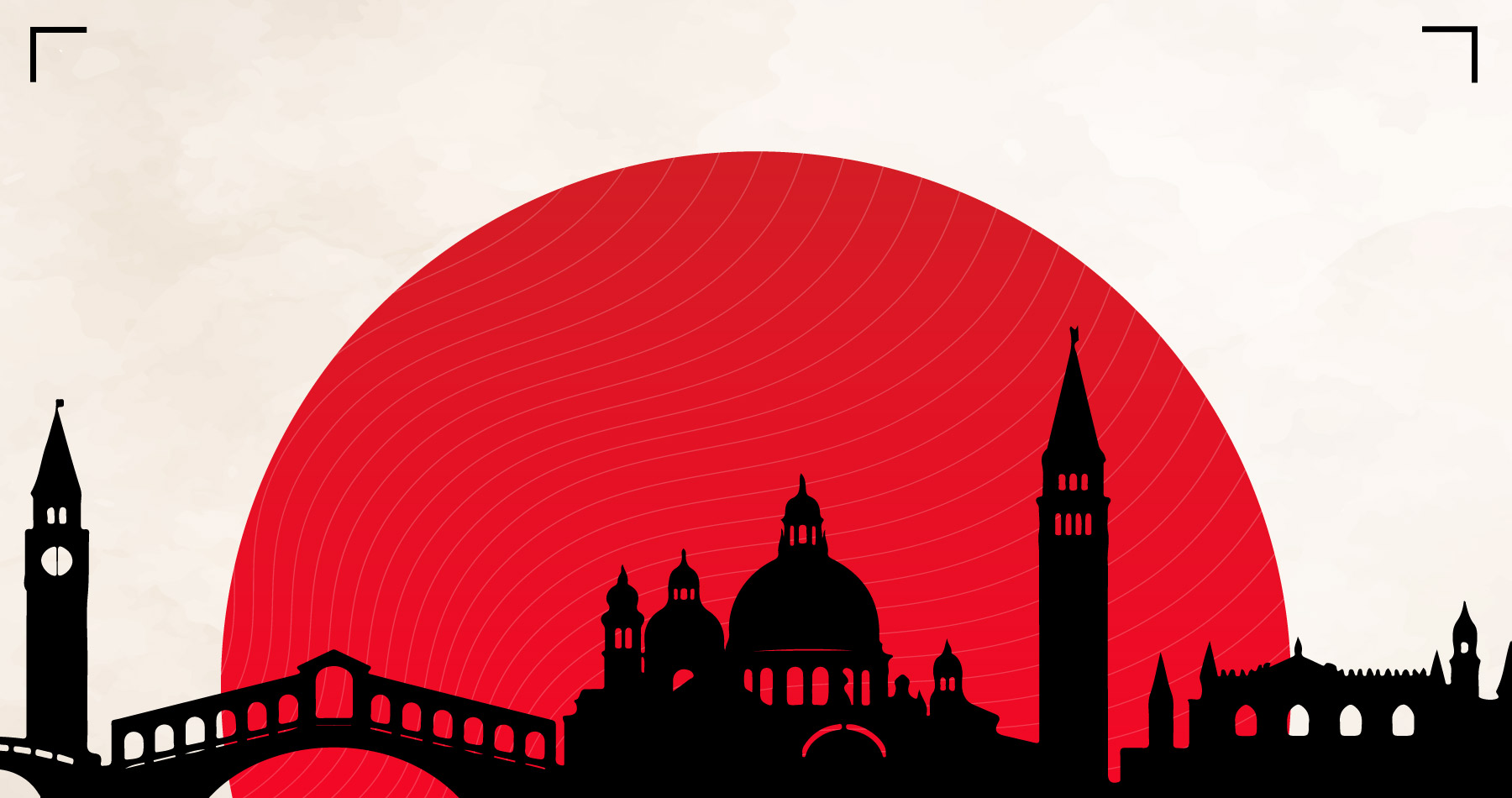
I boarded a plane for Italy with an itinerary built for my husband and I to go on several bucket list adventures like e-biking thru the chianti region of Tuscany and making limoncello in Positano, and to also have enough downtime built in for those unplanned experiences. I made a promise to myself that I would spend more time looking up than looking at a screen.
What I didn’t expect was how much the distance from work would change what I could see.
There’s an old saying in the wine industry: You can’t read the label from inside the bottle.
As someone who has spent the last decade building a business, leading a team, serving clients, and navigating all of the opportunities and challenges that come with entrepreneurship, I’ve discovered how easy it is to become so immersed in the day-to-day that you lose perspective on the bigger picture.
Sometimes the most productive thing a leader can do is step away long enough to see clearly again. Italy has a way of encouraging that. The pace is different. Not slower in a lazy sense, but slower in an intentional one. Meals unfold over hours rather than minutes. Conversations aren’t rushed toward a conclusion. People seem remarkably comfortable allowing experiences to take the time they require.
At first, I found myself fighting it. Like many leaders, I’ve spent years optimizing schedules, shortening meetings, increasing efficiency, and finding ways to accomplish more in less time. Yet somewhere between a long dinner overlooking a Tuscan vineyard and a morning spent wandering the streets of Venice with no particular destination, I was reminded that some of life’s most valuable outcomes don’t respond well to acceleration.
Trust, relationships, culture, reputation…the things we care most about in business are often the very things that take the longest to build.

That realization felt especially meaningful as I reflected on ten years of Crux. Looking back, the moments that mattered most weren’t the ones where we moved fastest. They were the moments where we stayed committed, remained consistent, and continued showing up long after the excitement of something new had faded.
The longer I stayed in Italy, the more I noticed another lesson emerging.
For months before I left, people asked some version of the same question: “Are you really going to be able to disconnect for thirty days?”
Beneath the question was an assumption I understood well because I’ve shared it myself as a business owner: What happens if you’re not there?
The answer, it turns out, is something wonderful. The business continues, clients are served, problems are solved, opportunities are pursued, and perhaps most importantly, talented people do what talented people are capable of doing when they’ve been trusted to lead.
There was a time when I might have viewed that realization as unsettling. Instead, I found it incredibly rewarding. One of the greatest privileges of reaching the ten-year mark is seeing what others have built alongside you. Leadership isn’t measured by how indispensable you become. It’s measured by how capable the people around you become. That lesson followed me throughout the trip.
Some of my favorite memories weren’t planned. They happened after cancelled trains, getting off on wrong stops, taking wrong turns, and spontaneous decisions that would have made my calendar-obsessed-self uncomfortable back in KC. A wrong train stop led to the most amazing lunch overlooking the Swiss Alps in a tiny village outside of St Moritz. A recommendation from a local led to a change in plans and a dinner we’ll talk about for years. A decision to abandon the day’s itinerary produced some of the most memorable moments of the trip.
I couldn’t help but think about how often business works the same way. We love our plans: strategic plans, growth plans, marketing plans, board plans. And those plans matter. But experience has taught me that some of the best opportunities emerge from places we never intended to go. Innovation rarely follows a perfectly marked route. Sometimes the path only becomes visible after you’ve taken the first step.
Italy is also a masterclass in craftsmanship. Everywhere you turn, you’re surrounded by reminders of what can happen when individuals dedicate themselves to doing one thing extraordinarily well. Whether it was a family-owned vineyard, a glass-blowing workshop, or a restaurant operating from recipes passed across generations, there was a shared commitment to excellence that felt refreshingly timeless.
It made me think about how much attention modern business gives to scale and how little attention we sometimes give to significance. We’re conditioned to ask how quickly something can grow.
Bigger isn’t always better. Better is better. And lasting is more impressive than fast. That lesson became impossible to ignore while standing inside buildings that have existed for thousands of years.
As Americans, our relationship with time is different. We celebrate quarters, annual plans, and five-year strategies. In Italy, you’re regularly confronted by things built by people who knew they would never see the finished product. Cathedrals, vineyards, institutions, entire communities built one generation at a time. There’s something humbling about that perspective. It forces you to think beyond immediate results and ask a different question: What are we building that will matter after we’re gone?

Ten years isn’t centuries. But as Crux reaches this milestone, that question feels more relevant than ever. What kind of culture are we building? What impact are we creating? How are we helping others grow, lead, and thrive? What legacy are we leaving behind? Those questions occupied more of my thoughts than revenue goals or growth projections.
And perhaps that’s the greatest gift the sabbatical gave me was not answers, but perspective. Thirty days away didn’t fundamentally change the business. It changed how I see the business. It reminded me that growth has seasons. That rest has value. That trust compounds. That excellence leaves clues. That relationships matter more than transactions. And that the best leaders occasionally need enough distance to remember why they started the journey in the first place.
I left for Italy hoping to experience a remarkable country. I came home with a deeper appreciation for something I thought I already understood: success isn’t measured solely by what you’ve built. It’s measured by how what you’ve built can thrive without you, endure beyond you, and continue creating value long after the moment has passed.
A decade ago, I started Crux with a vision for the kind of company I hoped we could become. Somewhere along the way, I became so immersed in building it that I stopped stepping back to admire how far we’d come.
Italy reminded me that perspective is not a luxury. It’s a leadership responsibility.
You can’t read the label from inside the bottle.
Kansas City | Phoenix | DC | Austin | Omaha
Headquarters
2345 Grand Boulevard
Kansas City, MO 64108
816.381.2600
info@findyourcrux.com
Mailing Address
2380 McGee Street, Suite 350
Kansas City, MO 64108